Endangered Water Species
Discover about endangered water species. Learn more about their habitats, number, and threats.
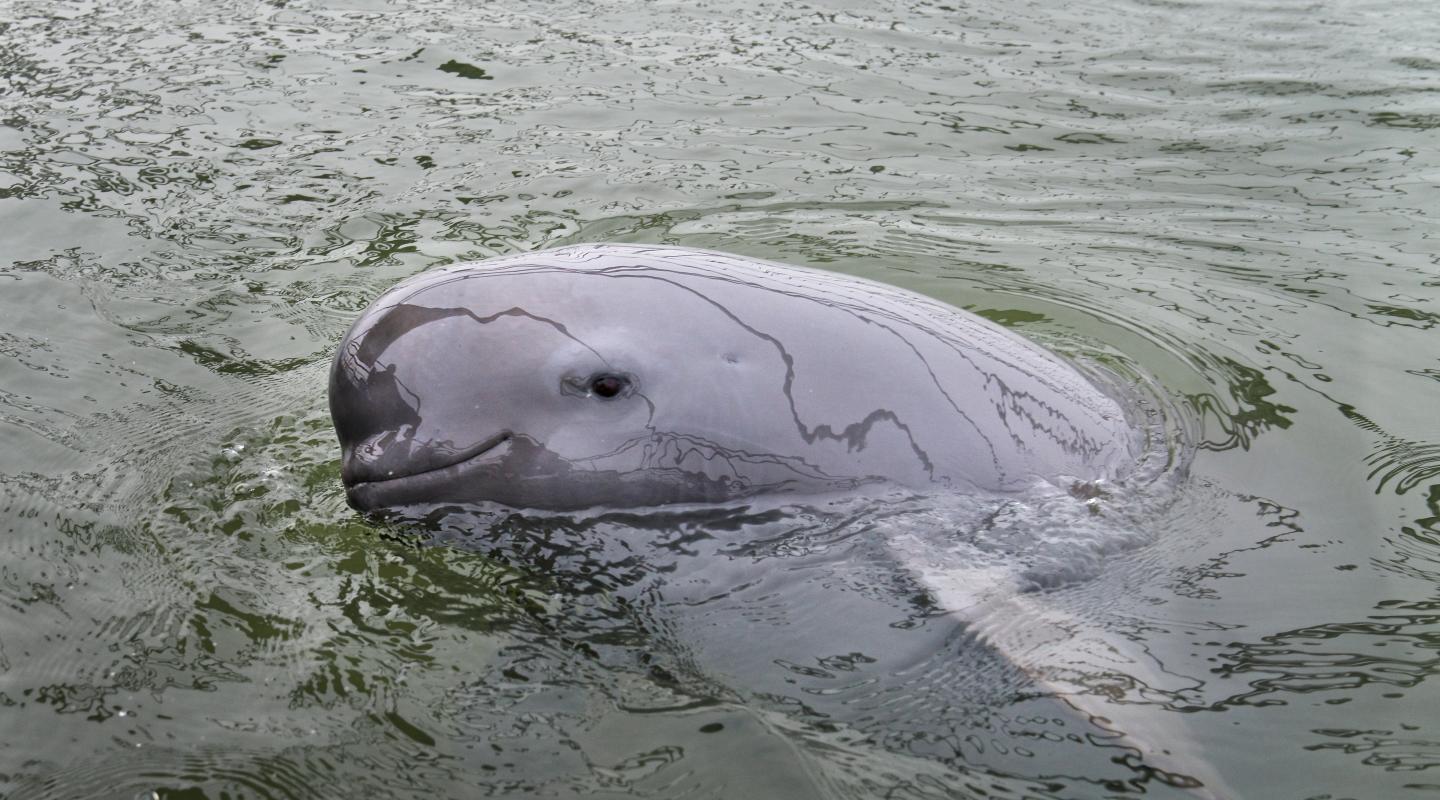
Yangtze Finless Porpoise
Population: 1000
Description: The Yangtze Finless Porpoise is the odd one out of its family as it is the only living freshwater porpoise found in the world. This aquatic mammal currently resides in the Yangtze River in China and is listed as a critically endangered species. While the Yangtze river plays a crucial role in healthy ecosystem functioning, years of environmental degradation, overfishing and water pollution in the region are having detrimental impacts on many animal species who call it their home.
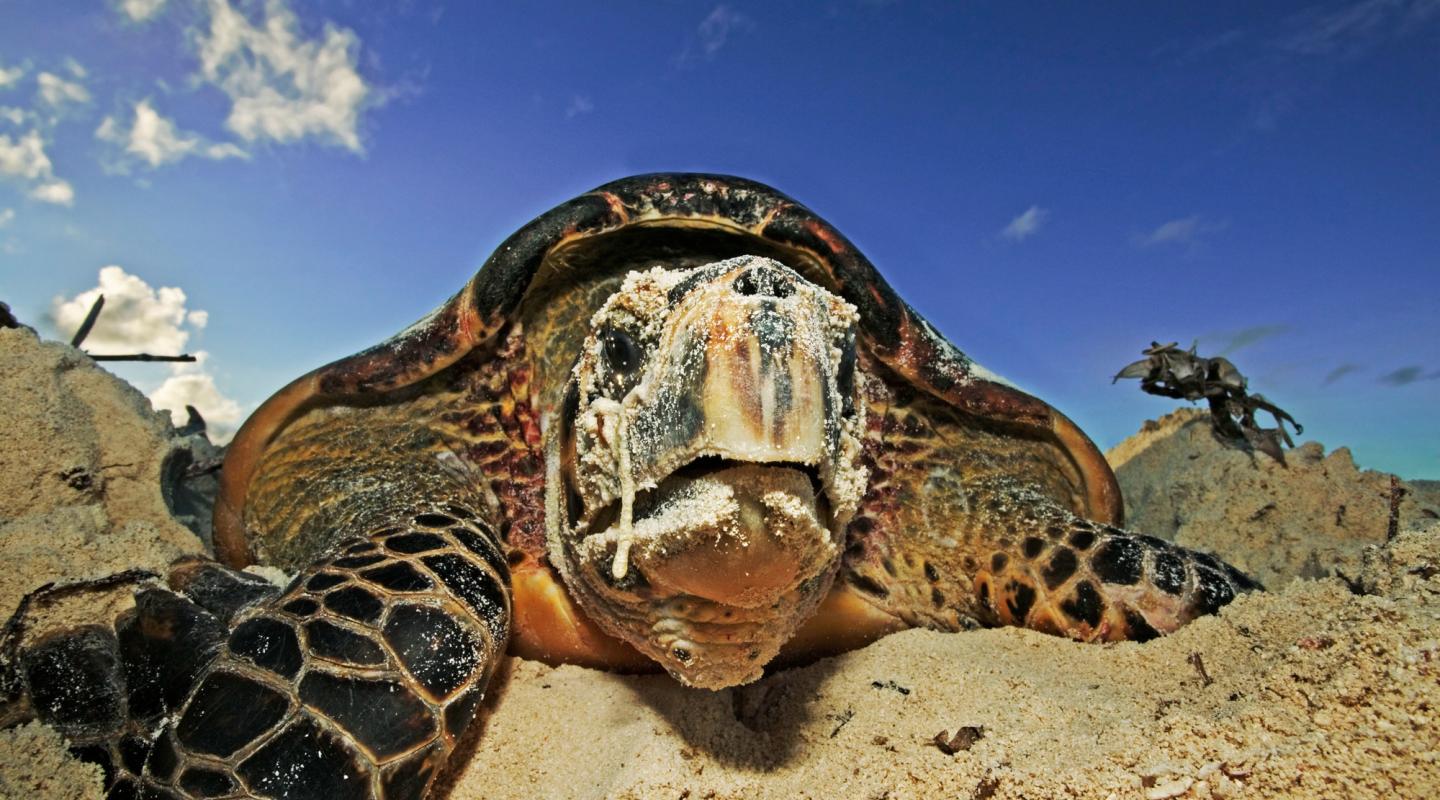
Hwaksbill Turtle
Population: 20000
Description: In the last 30 years, the worldwide populations of hawksbill turtles have reduced by at least 80% as a consequence of accidental capture in fishing gears, nesting habitat degradation, coral reef damage and the illegal trade of hawksbill shells and products. Other human-led threats such as plastic pollution, climate change and rising sea levels could further contribute to the decline of this species in the future. At present, Hawksbill turtles are listed as critically endangered.
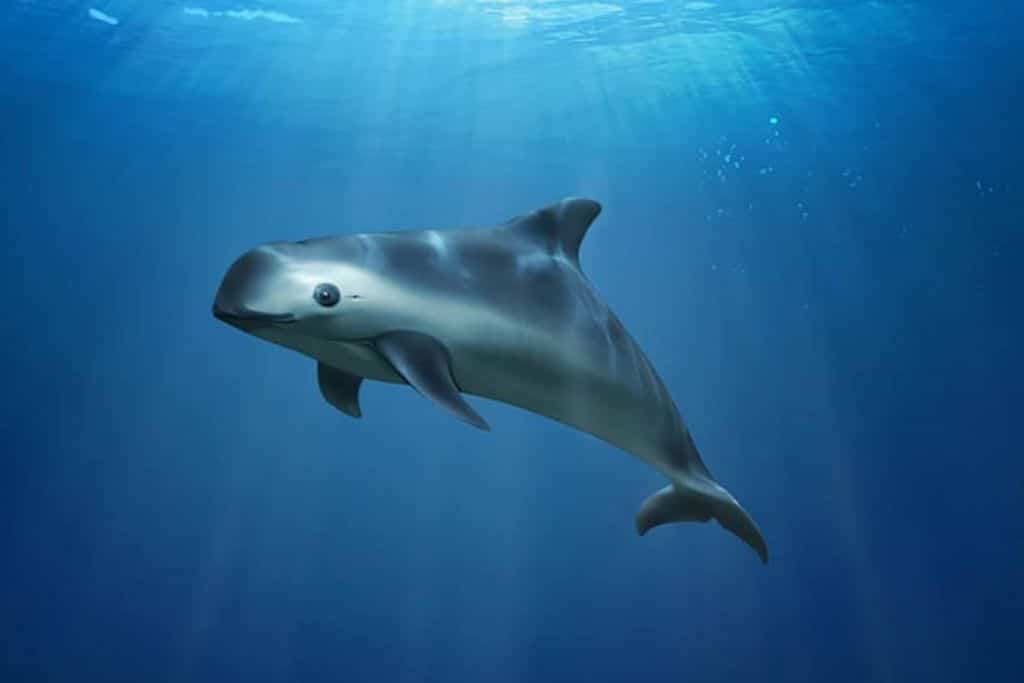
Vaquita
Population: 10
Description: Their biggest threat is from the illegal fishing of totoaba, a large fish in demand because of its swim bladder. Vaquitas accidentally end up entangled in the gillnets set for totoaba and drown because they can no longer swim to the surface to breathe. Conservation efforts led to the introduction of a ban on gillnets in vaquita habitat back in July 2016, but illegal fishing continues, and the threat remains.
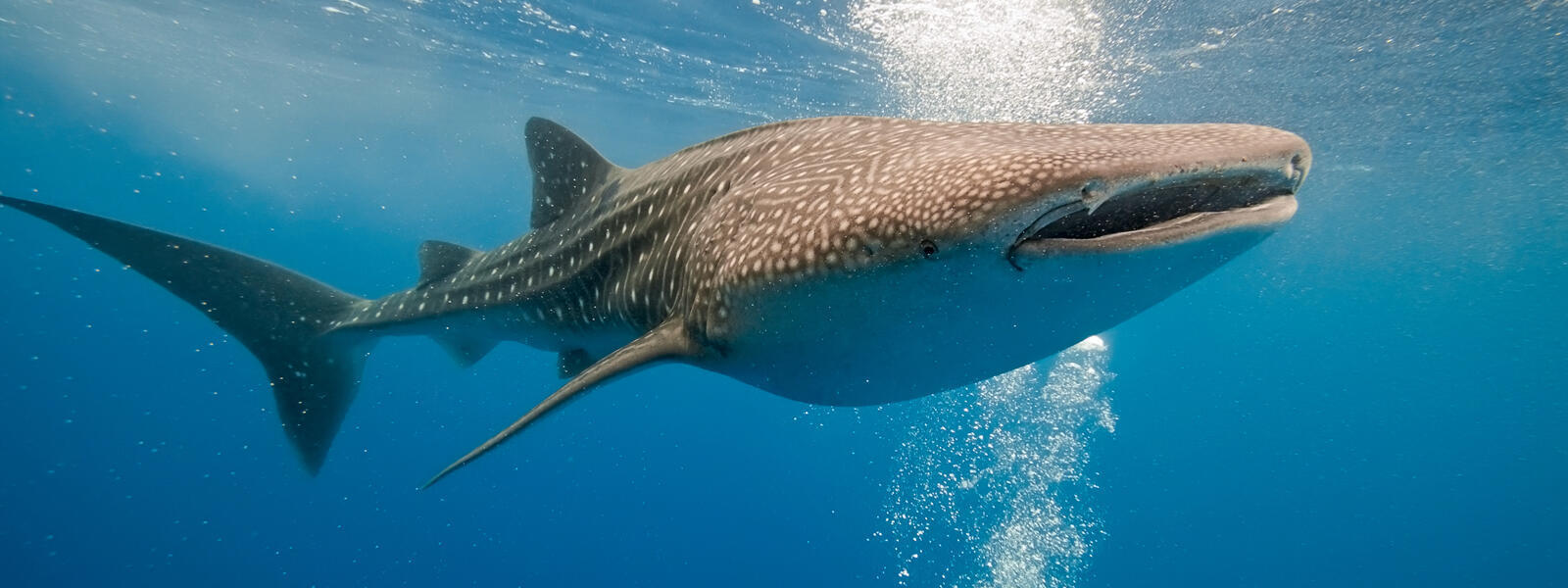
Whale Shark
Population: 130000 to 200000
Description: Despite the closure of several whale shark fisheries in the 1990s and 2000s, whale shark products remain a valuable, highly demanded commodity in Asian markets. They are captured for their meat and fins, which are considered to be a delicacy in certain Asian cultures, as well as their oil for waterproofing boats.
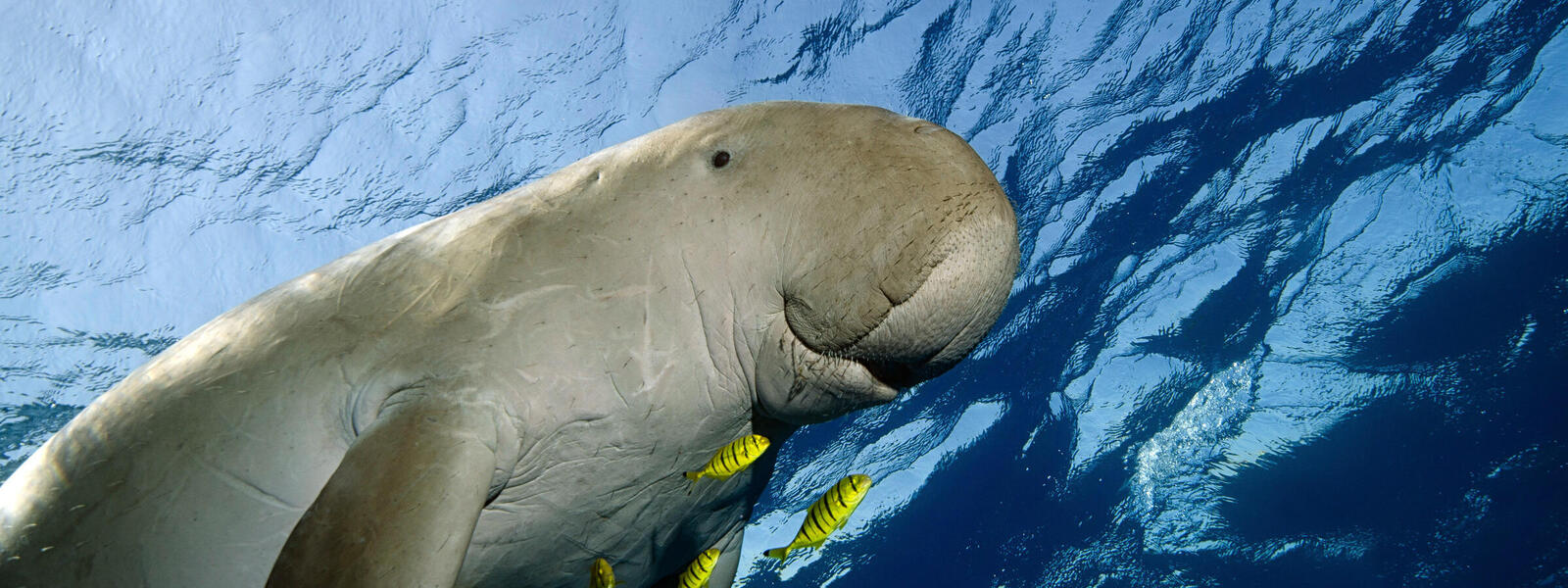
Dugong
Population: 100000
Description: Dugongs are threatened by sea grass habitat loss or degradation because of coastal development or industrial activities that cause water pollution. If there is not enough sea grass to eat then the dugong does not breed normally. This makes the conservation of their shallow water marine habitat very important.
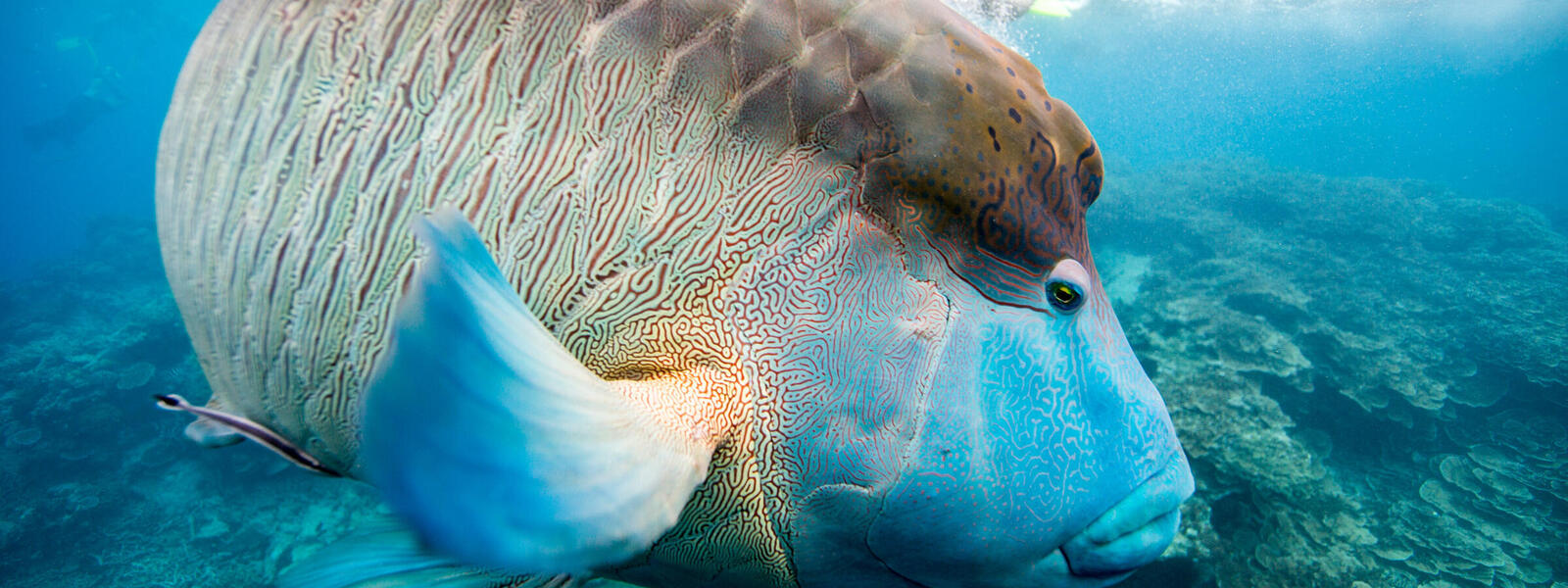
Humphead Wrasse
Population: 50% loss in 30 years
Description: Live reef fish trade in Southeast Asia continues to be a significant problem that threatens the region’s food security as well as its reefs, as poachers often resort to legal and destructive fishing methods to catch them.
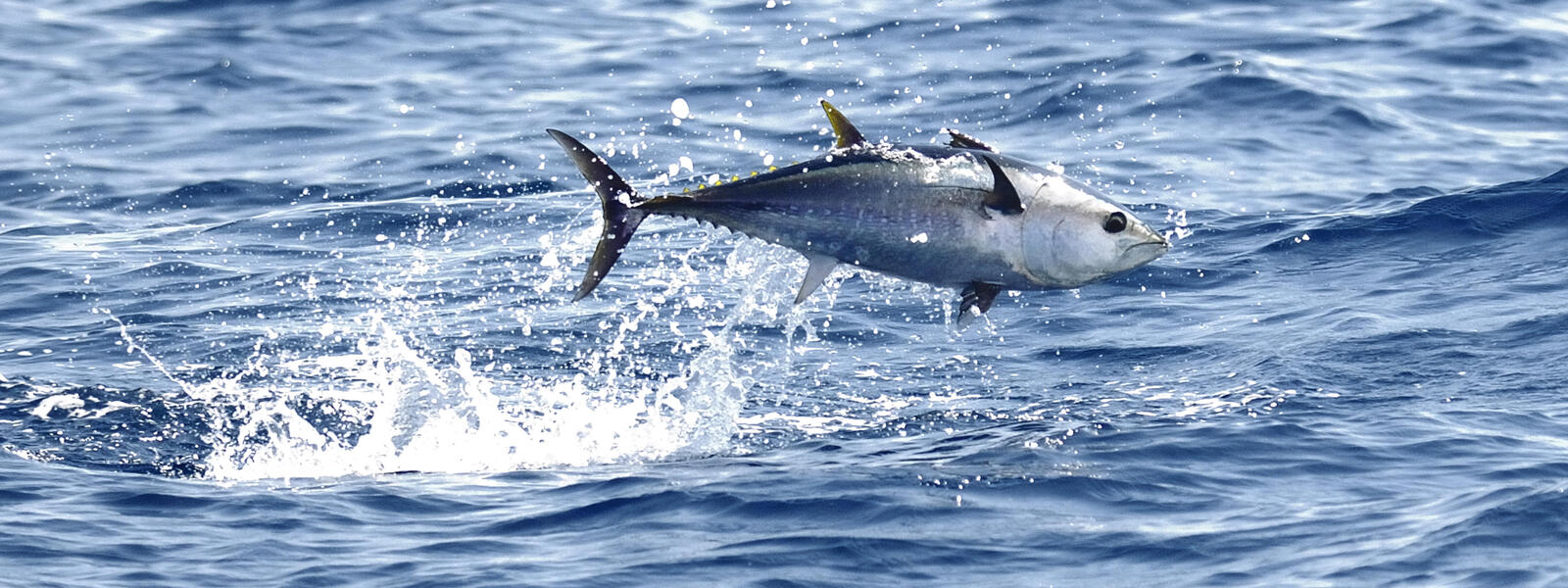
Bluefin Tuna
Population: 6000
Description: Bluefin are the largest tunas and can live up to 40 years. Bluefin tuna populations have declined severely from overfishing and illegal fishing over the past few decades –not just Atlantic bluefin tuna, but also Pacific bluefin tuna and Southern bluefin tuna.
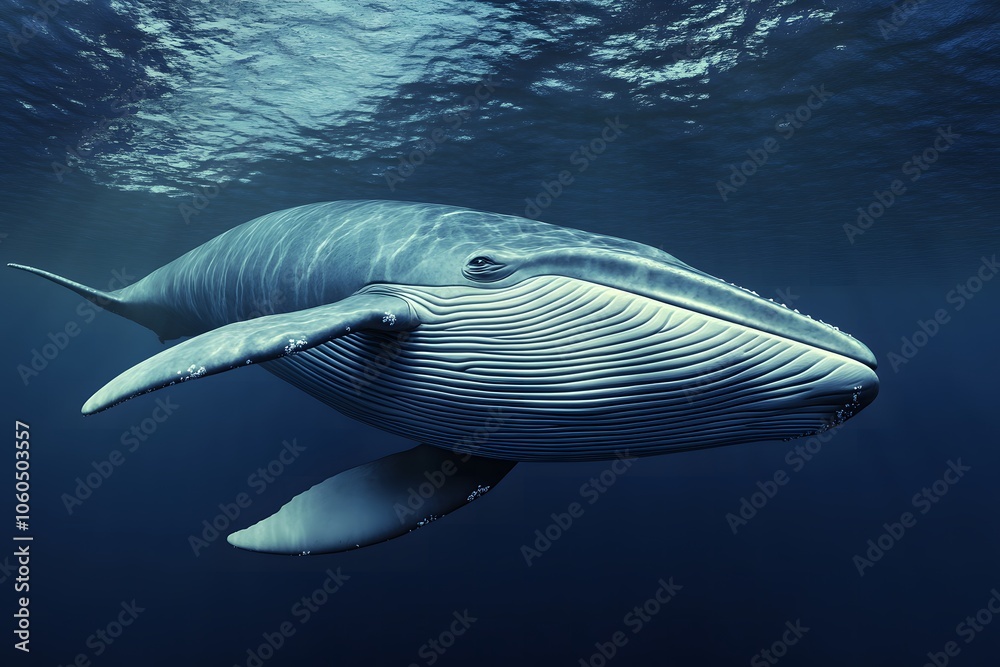
Blue Whale
Population: 10000-25000
Description: Like other large whales, blue whales are threatened by environmental change including habitat loss and toxics. Blue whales can also be harmed by ship strikes and by becoming entangled in fishing gear. Although commercial whaling no longer represents a threat, climate change and its impact on krill (shrimp-like crustaceans), blue whales' major prey, makes this cetacean particularly vulnerable.